


How to Keep Your Dog Warm and Healthy During Winter in Hong Kong
While Hong Kong’s winters are short, the combination of temperature drops, high humidity, and sudden weather changes can significantly impact your dog’s health, especially for small breeds, senior dogs, and short-haired pets.
Cold and damp weather can slow metabolism, worsen joint stiffness, trigger digestive discomfort, and reduce immunity.As Hong Kong’s innovator in personalized dog nutrition, Petsona helps pet parents understand how environmental changes, age, and nutrition work together to support year-round canine wellness.
Why Dogs Need Extra Care in Winter
Dogs regulate body temperature differently from humans.
When the temperature falls below 15°C, small or short-haired breeds like Chihuahuas, Poodles, and French Bulldogs are at risk of cold stress.
Common winter health issues include:
- Joint stiffness (especially in older dogs)
- Dry, itchy skin
- Weakened immune system
- Reduced appetite or slower digestion
Your dog’s comfort isn’t just about warmth, it’s about supporting internal health through proper diet, hydration, and metabolism during seasonal change.
Common Winter Illnesses in Hong Kong Dogs (Vet-Approved)
Hong Kong’s winter has high humidity, fluctuating temperatures, and indoor heaters that create a unique climate for dogs. Some conditions become more common between December and February:
1. Kennel Cough (Canine Infectious Tracheobronchitis)
Kennel cough spreads more quickly when dogs stay indoors with poor ventilation—common in winter.
Symptoms: dry coughing, gagging, nasal discharge.
Risk factors: dog daycares, grooming salons, dog parks.
Vaccination and proper hygiene help reduce risk.
2. Canine Flu (CIV – Canine Influenza Virus)
Cold air lowers respiratory immunity, increasing susceptibility.
Symptoms: fever, wet cough, runny nose, lethargy.
Not all dogs are vaccinated, so outbreaks are sporadically seen every winter.
3. Arthritis Flare-Ups
Senior dogs and large breeds often experience increased joint stiffness due to cold humidity.
Early signs: hesitation to climb stairs, slower movements, difficulty rising.
4. Skin Dryness & Dermatitis
Heaters, cold winds, and low indoor humidity can upset skin balance, causing:
- flaking
- itchiness
- increased shedding
Dogs with pre-existing skin sensitivities (e.g., French Bulldogs, Shibas) are more prone.
5. Gastrointestinal Upset
Cold weather slows digestion, leading to:
- poor appetite
Vet-Approved Ways to Keep Your Dog Warm
1. Keep Your Home Temperature Stable
Dogs feel most comfortable between 18–22°C.
Avoid placing their bed near windows or tiled floors where cold air gathers. Add blankets or thermal mats to maintain warmth at night.

2. Dress for the Weather (If Needed)
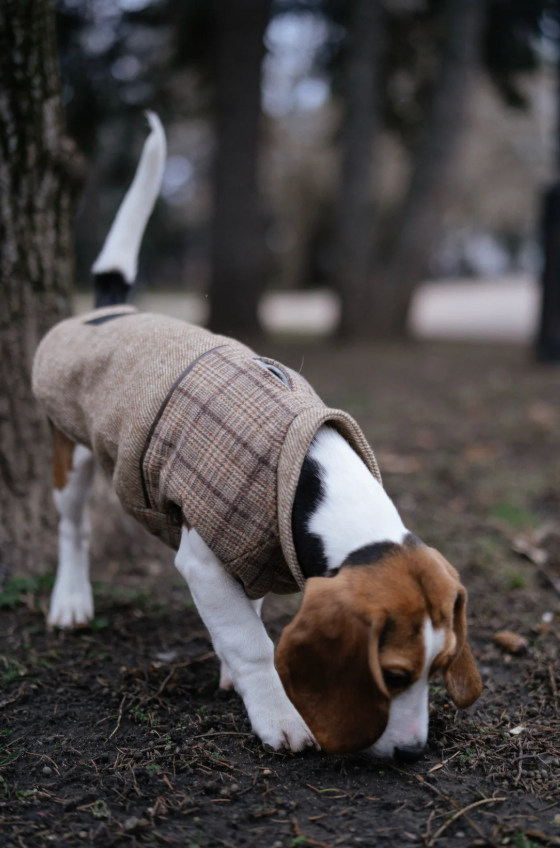
Small, senior, or short-haired dogs may need light sweaters for walks.
Choose breathable, moisture-resistant fabrics, overheating can also stress the skin and coat.
3. Maintain Regular Exercise
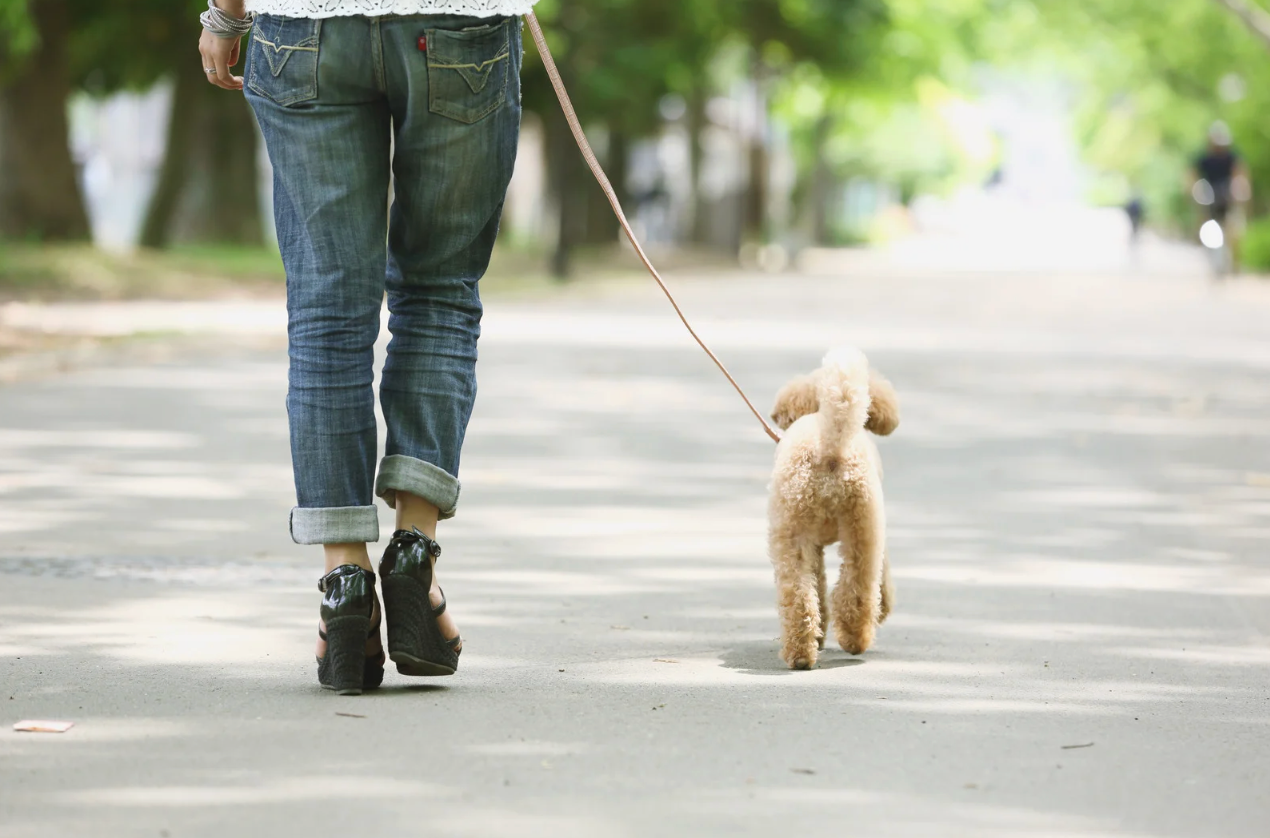
Cold weather shouldn’t stop your dog’s movement.
Shorter but more frequent walks keep joints active and maintain circulation. Avoid bathing right before walks to prevent temperature shock.
4. Hydrate Consistently
Dogs tend to drink less water in winter.
Keep water bowls clean and slightly warm to encourage drinking. Hydration supports kidney function and digestion, preventing winter dehydration.

Nutrition Tips for Winter Wellness
Nutrition plays a key role in keeping your dog healthy and resilient during colder months.
Their energy needs may increase slightly, but maintaining balance, not excess, is crucial.
1. Choose Easily Digestible, Balanced Meals
Cold weather can slow digestion.
Feed your dog high-quality proteins (like chicken, white fish, or turkey) and low-fat meals that are easy on the stomach.
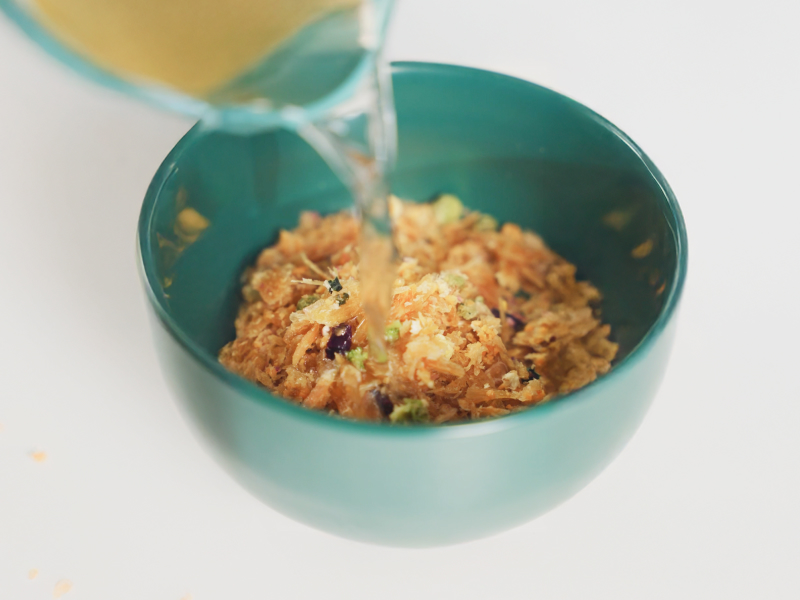
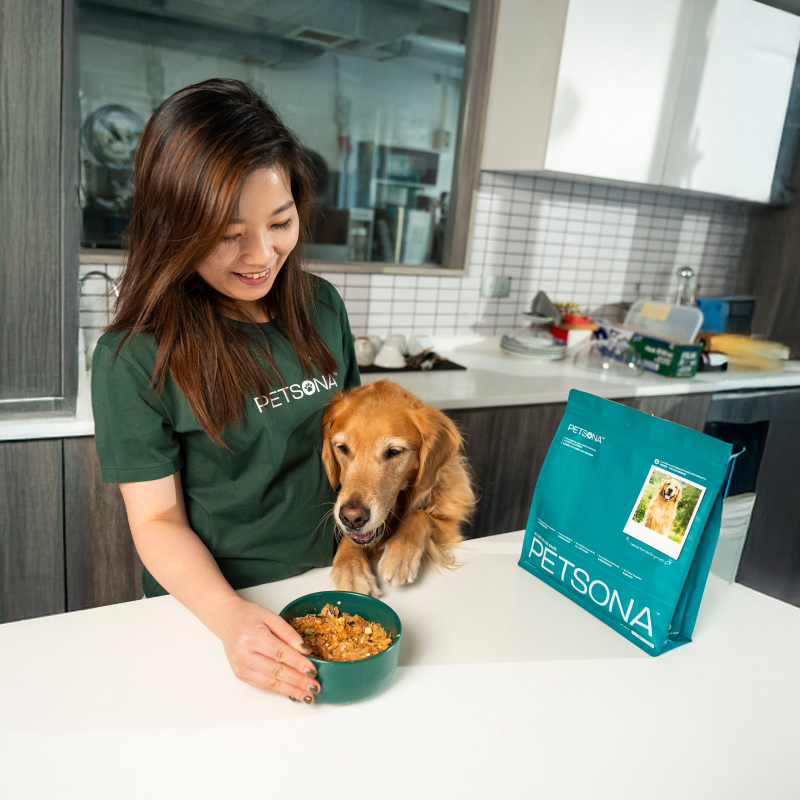
Petsona is the first in Hong Kong to use advanced dehydration technology in daily dog food, turning fresh whole ingredients into fine powder while retaining up to 90% of nutrients.
Certified by US AAFCO and EU FEDIAF, our formulas are easily digestible and perfect for long-term health.
2. Add Immunity-Boosting Ingredients
Include natural fiber and vitamins from ingredients like pumpkin, sweet potato, and probiotics.
They help regulate the gut microbiome, which directly supports immune strength during winter.
3. Avoid Overfeeding or Heavy Treats
Many owners overfeed during winter, believing dogs “need extra calories.”
In mild Hong Kong weather, this often leads to unnecessary weight gain.
Opt for nutrient-dense, portion-controlled meals instead.
When to See a Veterinarian
If your dog shows signs of prolonged shivering, lethargy, poor appetite, or joint stiffness, it’s best to consult your vet.
Early adjustments in diet and care can prevent chronic issues like arthritis or digestive imbalance.
Personalized Nutrition for Every Season
At Petsona, we believe that proper nutrition is the foundation of health, no matter the weather.
Our personalized dehydrated meals adapt to your dog’s unique needs, ensuring balanced energy, optimal digestion, and immune support throughout the year.
Give your dog the gift of science-backed nutrition, and keep them warm, healthy, and happy every season.
FAQ
Q1: Do dogs in Hong Kong really get cold during winter?
Yes. While Hong Kong’s winters are mild, indoor drafts and humidity can still cause discomfort, especially for small, senior, or short-haired dogs.
Q2: Should I change my dog’s diet in winter?
Slightly. Focus on balanced protein, lower fat, and easily digestible meals. Avoid overfeeding, as weight gain adds stress to joints.
Q3: Can I give my dog human winter food like soup or meat stew?
Avoid it. Human food often contains salt, seasoning, or onion, which can harm dogs. Choose pet-safe, scientifically formulated meals instead.
Q4: How does Petsona’s dehydrated food help in winter?
Petsona’s low-fat, nutrient-rich meals are easy to digest and ideal for maintaining metabolism and gut health during cooler months. The advanced dehydration process retains up to 90% nutrients without additives.


