

Feline Lower Urinary Tract Disease (FLUTD) is one of the most common and stressful health issues for cats in Hong Kong. This comprehensive guide explains how diet, hydration, mineral balance, and feeding patterns contribute to urinary health. Learn how protein levels, magnesium, phosphorus, and urine pH influence stone formation, and how the right wet food, fresh food, and personalised nutrition can prevent FLUTD. Discover expert veterinary insights and practical advice for cat parents searching for pet food, cat canned food, fresh pet food, freeze-dried pet food, pet probiotics, and safe, vet-recommended diets in Hong Kong.
Understanding the Link Between Diet and Feline Lower Urinary Tract Disease (FLUTD)
Feline Lower Urinary Tract Disease (FLUTD) remains one of the most frequent reasons Hong Kong cat owners visit the veterinarian. From urinary stones to inflammation and painful urination, FLUTD can seriously affect a cat’s long-term well-being. Research from veterinary journals, including studies published in Nature Scientific Reports, Veterinary Research Communications, and clinical reviews from VIN and major veterinary hospitals, consistently show one unifying conclusion: diet is one of the most important factors in both the development and prevention of FLUTD.
As Hong Kong’s living environment tends to encourage indoor lifestyles and reduced activity, many cats are at an even higher risk due to stress, lower water intake, and concentrated urine. Understanding how diet interacts with urinary health allows pet parents to make informed choices that directly reduce the likelihood of painful recurrence.
Petsona, as Hong Kong’s newest leader in science-backed personalised nutrition, aims to empower pet parents with veterinary-supported insights, so every pet parent can make the right nutritional decisions for their cats and dogs.
Why FLUTD Is So Common Among Cats Today
Veterinarians estimate that 15–23% of cats will experience urinary stones at some point in their lives. These stones most commonly appear in the bladder or urethra and are primarily composed of struvite or calcium oxalate.
Cats have a naturally low thirst drive and often do not drink enough water to dilute their urine. When combined with certain dietary imbalances, stress, indoor confinement, neutering-related changes, and limited environmental stimulation, the urinary tract becomes far more vulnerable to crystal and stone formation.
Clinical signs often include blood in the urine, pain, vocalisation, straining to urinate, urinating outside the litter box, or in severe cases, complete blockage, an emergency condition requiring immediate intervention.
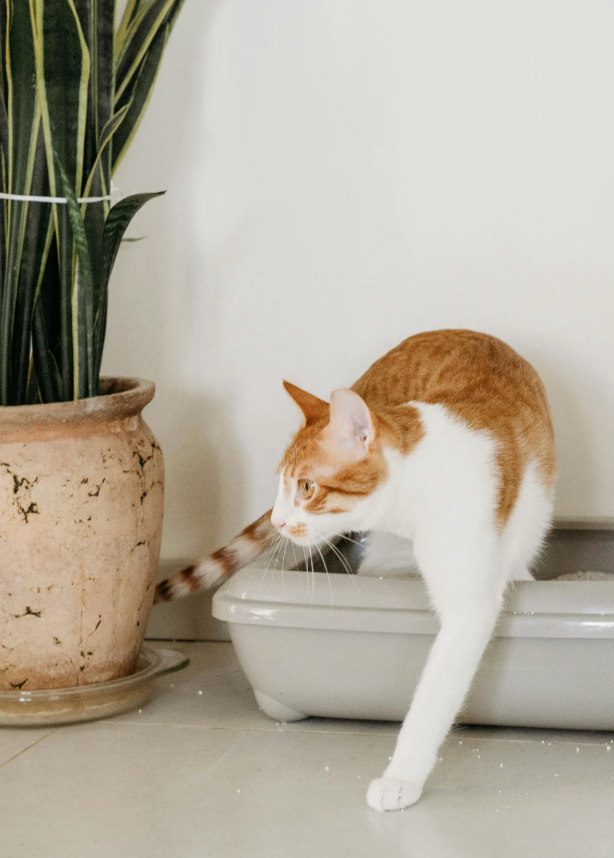
The Critical Role of Diet in FLUTD , What Science Shows
Scientific evidence confirms that diet influences urinary health through several mechanisms. Research from VIN, Nature, and multiple veterinary journals highlights how nutrition affects urine concentration, pH balance, mineral excretion, and inflammation.
Protein Quality and Quantity Matter
Most urea, one of the precursors to urinary stones, comes from dietary protein. While high-quality animal protein benefits cats, excessively high protein diets can lead to elevated urinary waste, predisposing certain cats to stone formation. Poor-quality protein sources also increase metabolic by-products, stressing the urinary system further.
Magnesium, Phosphorus, and Mineral Balance
Struvite stones form primarily in the presence of elevated magnesium, phosphorus, and ammonia levels. Diets high in these minerals or improperly balanced can significantly raise the risk of crystal formation. Conversely, overly restricted minerals may create different long-term nutritional issues. The key is precision, not guesswork.
Urine pH and Its Importance
Urine pH directly influences whether struvite or calcium oxalate stones form.
• Struvite dissolves when urine pH is below 6.3
• Struvite crystallises when urine pH rises above 7.2
Certain ingredients naturally acidify the urine, while others make it more alkaline. A balanced diet is crucial for maintaining optimal pH levels that prevent stone recurrence.
Hydration and Wet Food Intake
Cats consuming primarily dry food are at a much higher risk of FLUTD because their total daily water intake becomes insufficient. Increasing moisture through canned food, rehydrated meals, or fresh food significantly improves urine dilution and reduces crystal formation.
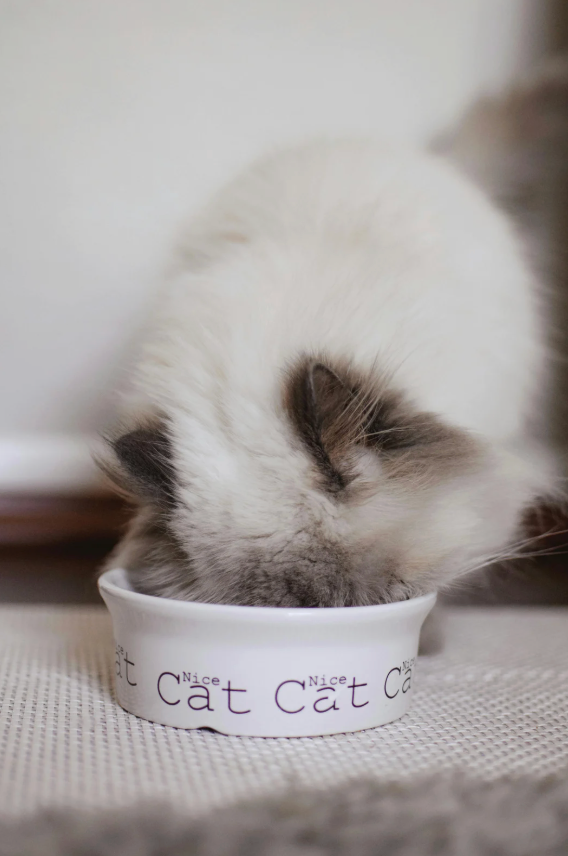
Environmental and Lifestyle Factors That Influence FLUTD
Beyond diet, environmental conditions also shape urinary health. Hong Kong’s humid climate, limited apartment space, and tendency toward indoor lifestyles can intensify stress, another strong risk factor for FLUTD. Anxiety affects bladder health through inflammatory pathways, raising the likelihood of idiopathic cystitis or stone recurrence.
Cats need environmental enrichment, mental stimulation, predictable routines, and comfortable litter box arrangements to maintain urinary wellness. When stress is reduced, inflammation decreases, and the urinary system becomes more stable.
How Veterinary Diets Are Formulated to Manage FLUTD
Veterinary urinary diets are carefully developed to regulate mineral levels, increase water intake, optimise urine pH, and enhance bladder protection. These diets often include controlled phosphorus and magnesium levels, sodium adjustments to stimulate hydration, and functional ingredients like glucosamine and chondroitin to restore bladder lining integrity.
These therapeutic diets demonstrate how nutrition, when scientifically calibrated, directly improves urinary tract outcomes and prevents recurrence.

What Science-Backed Nutrition Means for Pets , Petsona’s Vision for Hong Kong
Although Petsona primarily focuses on dogs, our core philosophy applies across species: nutrition shapes health more profoundly than most pet parents realise.
As Hong Kong’s first brand to use advanced dehydration technology in daily dog food, Petsona turns fresh ingredients into an ultra-fine powder that retains up to 90% of its nutritional value while improving digestibility and shelf life. Certified by US AAFCO and EU FEDIAF standards, our personalised meals allow precise nutrient balance tailored to each dog’s unique needs, from digestion to allergies to urinary health.
We aim to revolutionise how pet parents think about diet, not as a routine habit, but as a science-based tool to support lifelong health. Whether a pet struggles with sensitive digestion, stress-related inflammation, weight control, or metabolic issues, proper nutrition becomes the foundation of well-being.
Practical Advice for Cat Parents in Hong Kong Concerned About FLUTD
Cat parents can significantly reduce FLUTD risk by focusing on highly digestible, moisture-rich diets with balanced minerals and appropriate urine pH support. Increasing water intake through fountains, wet food, or rehydrated meals helps dilute the urine and lowers stone recurrence.
Stress management, clean litter boxes, environmental enrichment, and predictable daily routines also play a major role, especially for cats living in compact urban flats.
While cats and dogs have different nutritional physiology, the principle remains universal: balanced, high-quality nutrition builds stronger, healthier pets.
FAQs
Q1. What is the main cause of FLUTD in cats?
FLUTD is not caused by one factor alone. It often results from a combination of diet, dehydration, stress, genetics, mineral imbalance, and urine pH issues. Many cases are linked to struvite or calcium oxalate crystals forming due to improper nutritional balance or insufficient moisture intake.
Q2. Can diet alone prevent urinary stones?
Diet plays a major preventive role. Balanced minerals, controlled protein levels, moisture-rich meals, and appropriate urine pH can significantly reduce the risk. However, environmental stress and hydration levels also contribute to recurrence.
Q3. Should cats with FLUTD avoid dry kibble?
Cats with urinary sensitivities typically benefit from higher-moisture diets such as canned food, rehydrated meals, or fresh food. Dry kibble alone may not provide adequate hydration for at-risk cats.
Q4. Does stress affect FLUTD?
Yes. Stress is strongly associated with idiopathic cystitis and urinary inflammation. Environmental enrichment, stable routines, and improving the home environment can reduce episodes.
Q5. How does Petsona relate to FLUTD if it focuses on dogs?
Petsona's mission is to elevate pet health through science-backed personalised nutrition. Although FLUTD is a feline condition, the principles of mineral balance, hydration, digestibility, and targeted nutrition also apply to dogs. Our personalised, AAFCO- and FEDIAF-compliant dehydrated meals reflect the same scientific commitment to long-term wellness.


