
Discover expert tips to keep your dog cool and healthy during Hong Kong's hot, humid summers. Learn about optimal indoor temperatures, hydration strategies, and personalized nutrition with Petsona's dehydrated meals.
Hong Kong's intense summer heat and humidity can pose challenges for pet owners. This guide provides comprehensive strategies to ensure your dog's comfort indoors, focusing on temperature control, hydration, and nutrition. Learn how Petsona's personalized dehydrated meals can support your dog's health during the summer months.
Understanding Your Dog's Heat Tolerance in Hong Kong's Climate
How Dogs Experience Heat Differently Than Humans
Dogs primarily regulate body temperature through panting and minimal sweating via paw pads. This method is far less efficient than human perspiration, making them susceptible to heat stress, particularly in enclosed, humid environments like many Hong Kong flats.
Identifying Your Dog's Ideal Temperature Range
Most dogs are comfortable in indoor temperatures ranging from 20℃ to 24℃ (68°F to 75°F). Humidity levels should ideally be maintained between 40% to 60%. Higher humidity makes it more difficult for dogs to cool themselves naturally, so it’s crucial to monitor both temperature and humidity indoors.
The Impact of Hong Kong's Humidity on Dogs
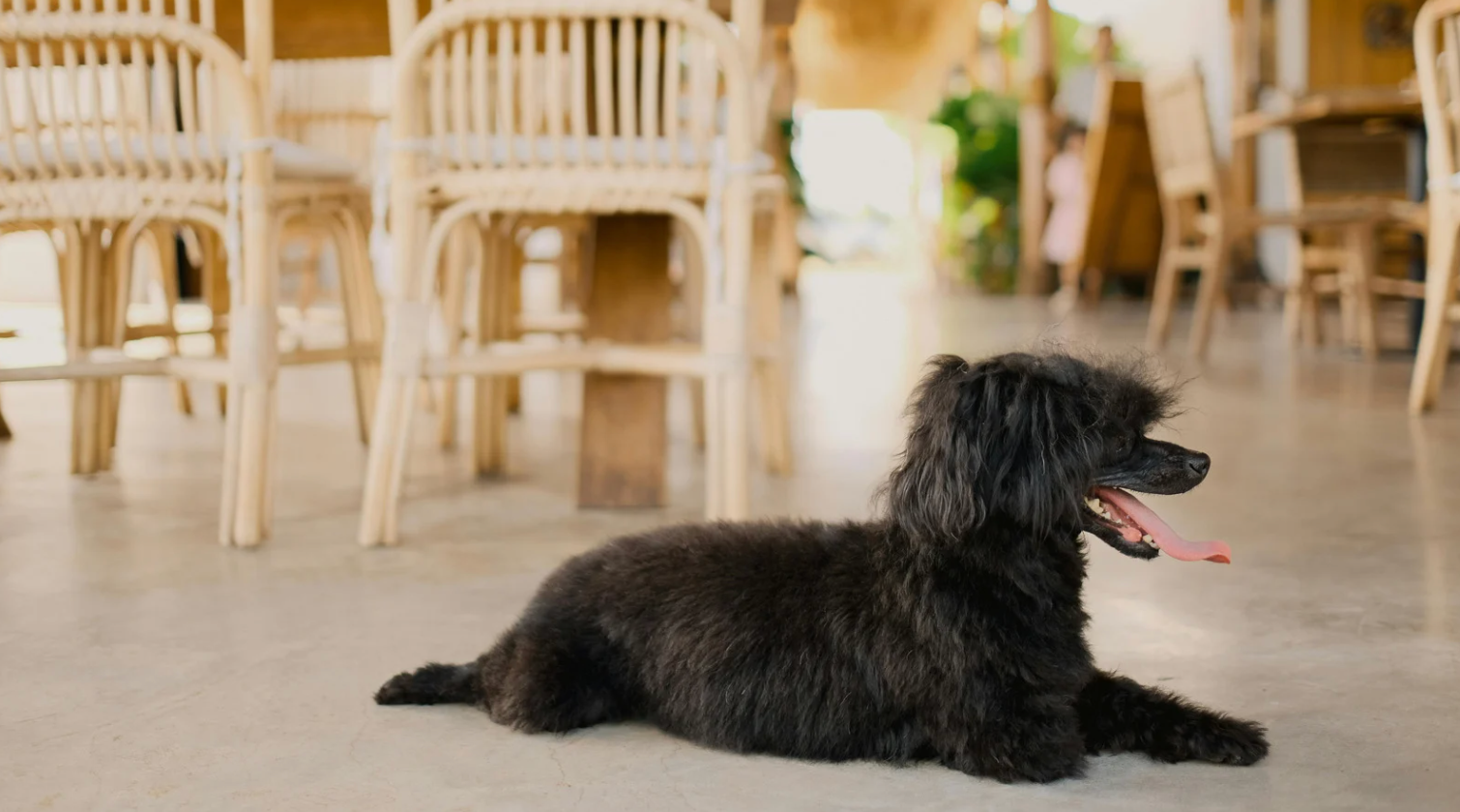
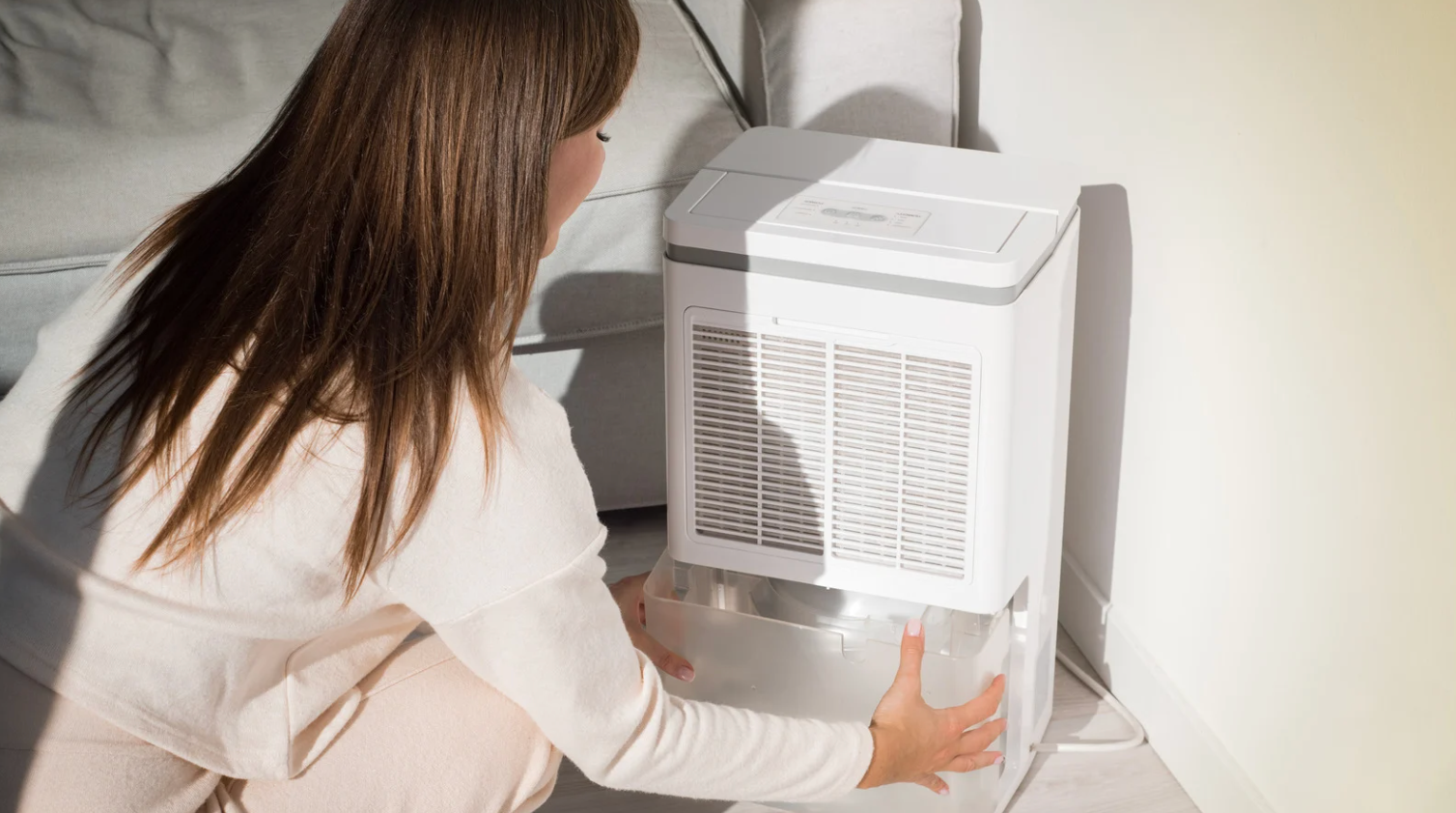
High humidity levels in Hong Kong can hinder a dog's ability to cool down, increasing the risk of heat-related illnesses. The ideal humidity level for your furry friend is around 50−60%. Humidity levels exceeding 70% not only impair cooling but can also promote the growth of mold and dust mites, which can trigger allergies and respiratory issues in both pets and humans. It's essential to monitor indoor humidity, aiming for levels between 40-60%. Utilizing dehumidifiers and ensuring proper ventilation can help maintain a comfortable environment for your pet.
Identifying High-Risk Breeds
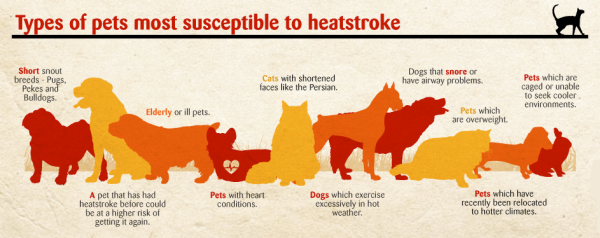
Some breeds are more susceptible to heat than others. Brachycephalic breeds (e.g., French Bulldogs, Pugs), double-coated breeds (e.g., Huskies, Golden Retrievers), and toy breeds are at greater risk.
Age and Health Considerations
Senior dogs, puppies, and dogs with respiratory, cardiac, or endocrine conditions (such as hypothyroidism or Cushing's disease) require extra care in hot weather. These dogs may be less able to regulate their body temperature efficiently.
Creating Cool Zones in Hong Kong Apartments
Given the compact nature of many Hong Kong living spaces, smart cooling strategies are essential.
Creating Multiple Cooling Stations
- Cooling mats: Gel-infused or water-filled mats help dissipate body heat.
- Elevated beds: These allow airflow underneath, enhancing passive cooling.
- Shaded areas: Block direct sunlight with blackout curtains or UV-blocking window films.
- Fans and air conditioners: Use programmable or oscillating fans alongside air conditioning to circulate cool air efficiently.
- Dehumidifiers: These reduce moisture levels, making it easier for your dog to cool down.

Hydration Strategies for Hong Kong's Climate
Advanced Hydration Systems
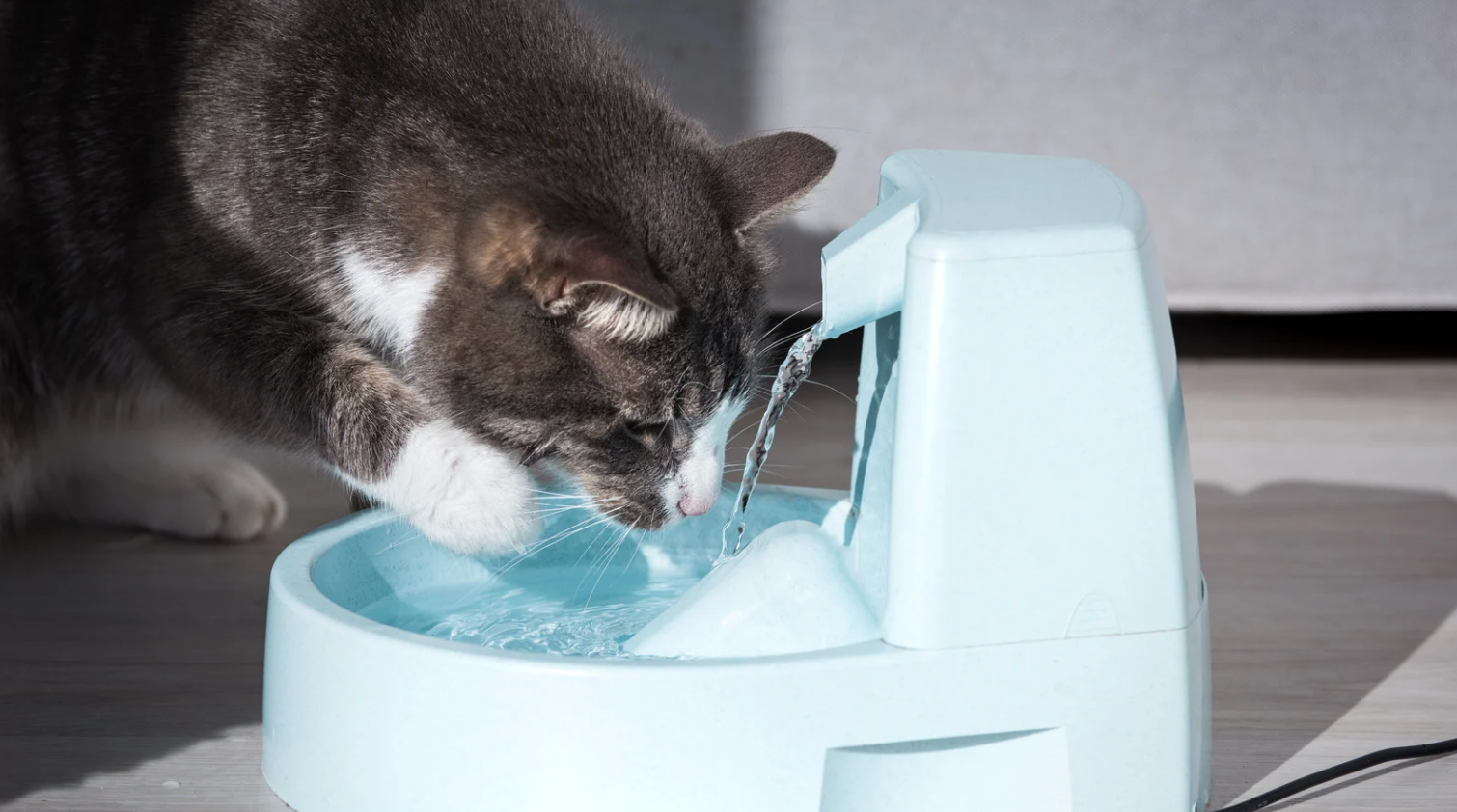
- Pet water fountains: Encourage frequent drinking through constant circulation.
- Chilled water bowls: Use ice packs or freeze-safe water bowls for added cooling.
- Electrolyte-enhanced hydration: Talk to your vet about pet-safe electrolyte supplements during periods of excessive heat.
Recognizing Dehydration in Hong Kong's Humidity
Signs of dehydration include:
- Dry or sticky gums
- Lethargy
- Sunken eyes
- Loss of skin elasticity (pinch test) Always ensure clean, cool water is available and accessible at multiple points in the home.
Understanding Your Pet's Nutritional Needs in Hong Kong's Climate
The Impact of Humidity on Nutritional Requirements
Dogs may become less active and have lower caloric requirements in extreme heat, yet they still need proper hydration and nutrient intake. Heat also influences digestion and appetite, especially in flat-faced breeds and older dogs.
Seasonal Dietary Adjustments for Hong Kong Pets
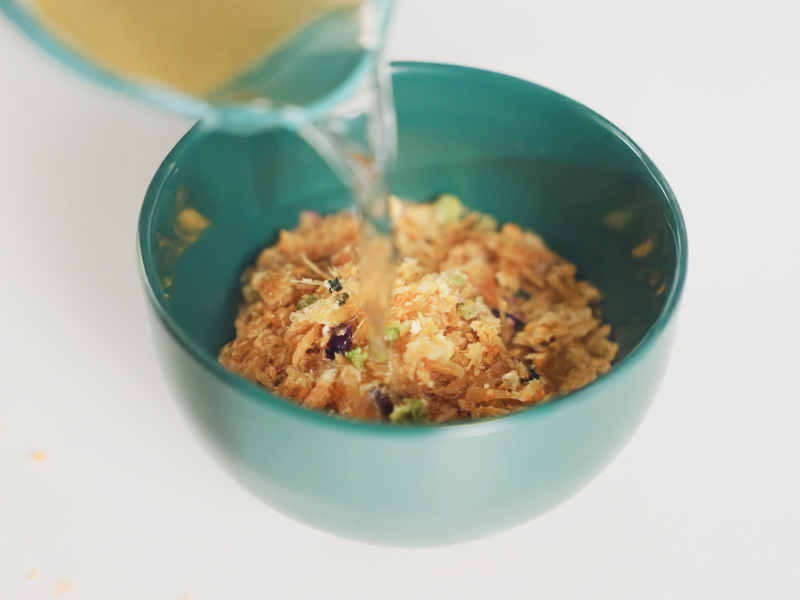
- High-moisture foods: Wet diets or rehydrated freeze-dried meals support hydration.
- Light protein sources: Consider lean meats like chicken or white fish that are easier to digest.
- Avoid heavy, fatty meals: These can increase internal heat production.
- Functional foods: Ingredients like omega-3 fatty acids, probiotics, and antioxidant-rich vegetables can help support skin health and immunity during heat stress.
Summer heat can affect your dog's appetite and digestion. Opt for easily digestible, nutrient-rich meals that support hydration and energy levels. Petsona's dehydrated meals retain up to 90% of the nutritional value of fresh ingredients, providing a balanced diet tailored to your dog's specific needs.
Managing Daily Activities During Hot Weather
Adjusting Walking Schedules for Hong Kong Summers
- Walk early or late: Limit outdoor exposure to before 8 AM or after 7 PM when UV and pavement temperatures are lower.
- Test the ground: Use the back of your hand to check if the pavement is too hot for your dog's paws.
Indoor Entertainment for Hong Kong Apartments
- Puzzle toys and treat-dispensing balls
- Indoor fetch in hallways
- Training sessions and scent games These activities keep your dog stimulated without risking heat exposure.

Recognizing and Responding to Heat-Related Emergencies
Identifying Heat Stress Before It Becomes Dangerous
Early signs of heat stress include:
- Excessive panting or drooling
- Weakness or uncoordinated movements
- Bright red or pale gums
- Vomiting or diarrhea
Emergency Response to Heatstroke
- Move the dog to a cool, shaded area.
- Offer cool water (not ice-cold).
- Use a damp towel or fan to cool their body.
- Seek veterinary attention immediately.

Preparing for Extreme Weather Events
Hong Kong's summer includes typhoon season, which can disrupt routines and indoor temperatures. Ensure you have emergency supplies, including your dog's food, water, and medications. Maintain a safe, comfortable space for your dog during storms, away from windows and loud noises.
Other than that, pet parents might be also dealing with Hong Kong's "Hot Nights"
Nighttime temperatures often stay above 28℃ (82°F) in Hong Kong summers. Ensure air conditioning or fans run consistently overnight, and avoid letting your dog sleep in enclosed areas with poor ventilation.

Technological Solutions for Hong Kong Apartments
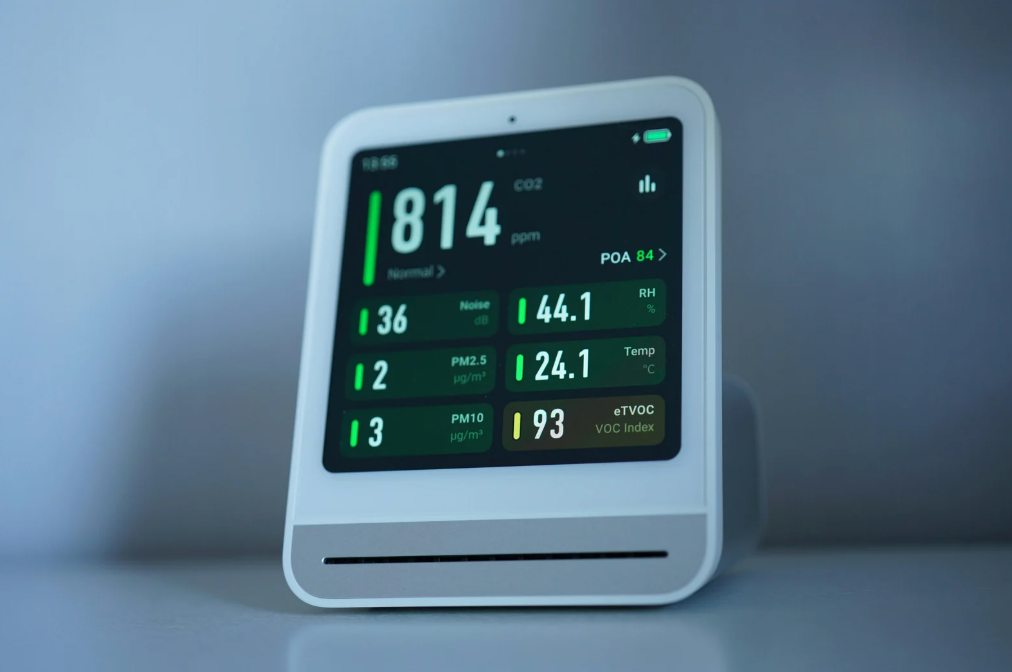
Leverage technology to monitor and control your home's environment. Smart thermostats and humidity sensors can help maintain optimal conditions. Additionally, cooling products like pet-safe fans or cooling vests can provide extra relief for your dog during peak heat periods.
Smart Home Integration for Pet Comfort
- Wi-Fi-enabled thermostats: Adjust temperature remotely.
- Humidity sensors: Monitor indoor moisture in real time.
- Pet cameras: Keep an eye on your dog while you're away.
Innovative Cooling Products for Hong Kong Homes
- Cooling vests: Worn during short outdoor walks for brachycephalic breeds.
- Portable air conditioners: Ideal for apartments with older infrastructure.
- Pet-safe cooling gels or sprays: Provide temporary relief during peak heat.
Summary
This comprehensive guide addresses the challenges of keeping dogs comfortable during Hong Kong's hot and humid summers. It covers understanding heat tolerance, managing indoor humidity, creating cooling zones, ensuring proper hydration, adjusting nutrition, modifying daily activities, recognizing heat-related emergencies, preparing for extreme weather, and utilizing technological solutions. Petsona's personalized dehydrated meals are highlighted as an effective nutritional option to support your dog's health in the summer months.
FAQ
1. How can I tell if my dog is overheating indoors?
Signs of overheating include excessive panting, drooling, lethargy, and vomiting. If you notice these symptoms, move your dog to a cooler area, provide water, and consult your veterinarian promptly.
2. What makes Petsona's dehydrated meals suitable for summer?
Petsona's dehydrated meals retain up to 90% of the nutritional value of fresh ingredients, offering a light, easily digestible option that supports hydration and energy levels, ideal for the summer months.


