



Discover the nutritional differences between chicken, beef, fish, duck, and other meats for dogs. Petsona provides Hong Kong pet owners with detailed analysis of meat types, nutritional ratios, and feeding recommendations to help you select the most suitable fresh food for your dog. Using advanced dehydration technology, Petsona preserves up to 90% of nutrients while ensuring food safety and quality. Certified by US AAFCO and EU FEDIAF, our meals provide high-quality, safe, and delicious daily nutrition for dogs.

Why Meat Is an Essential Part of a Dog’s Diet
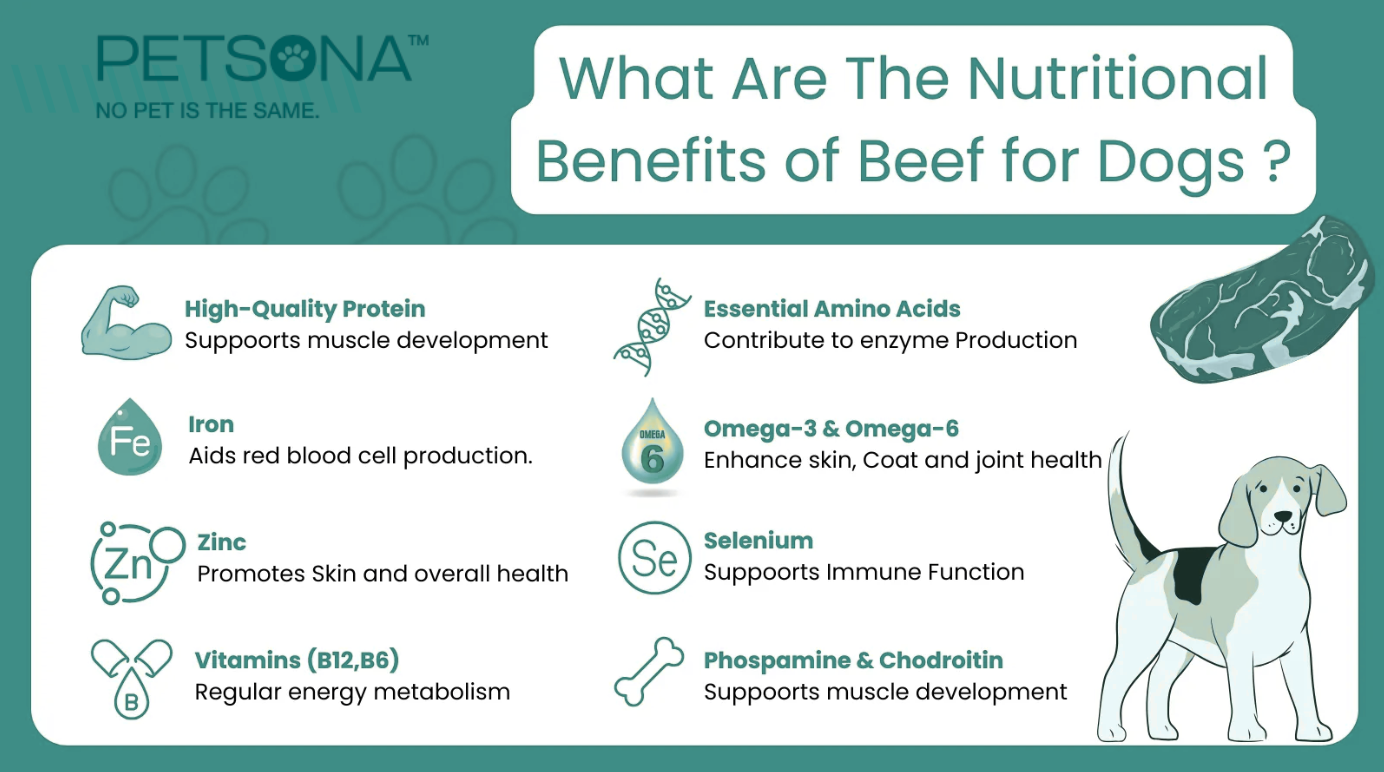
Meat is the primary source of protein for dogs, rich in amino acids, iron, zinc, and B vitamins. These nutrients support muscle development, red blood cell production, and immune system function. Different meats vary in nutrient composition and fat content, making some types more suitable for puppies, seniors, or dogs with specific health needs.
Which Meats Are Most Nutritious for Dogs? Comprehensive Analysis of 6 Common Types
1. Classic Choice, Chicken
Chicken is low in fat, high in protein, and easy to digest, making it one of the most common staple meats for dogs. Chicken breast is ideal for dogs with sensitive stomachs or weight management needs. Dogs allergic to chicken protein should consider alternative protein sources.
Read more: [The Role of Chicken Protein in Dog Nutrition|Different Cuts and Health Benefits]
2. Easily Digestible, Fish
Fish, such as salmon and whitefish, is rich in Omega-3 fatty acids, supporting skin hydration, shiny coat, and anti-inflammatory benefits. It’s suitable for dogs with dry skin or allergies.
Read more: [The Science of Fish Protein in Dog Nutrition|Salmon vs Whitefish Explained]
3. Energy-Boosting, Beef, Pork, and Lamb
Beef provides iron and vitamin B12, promoting red blood cell formation and energy metabolism. Pork and lamb have strong flavors and aromas, ideal for dogs with lower appetites.
Read more: [The Role of Beef Protein in Dog Nutrition|Nutritional Value of Different Cuts]
4. Low-Allergy Option, Duck
Duck is a hypoallergenic meat rich in unsaturated fatty acids and iron, supporting skin and coat health. It is ideal for dogs allergic to chicken or beef.
Read more: [The Role of Duck Breast Protein in Dog Nutrition|Nutritional Value and Feeding Tips]
Can Dogs Eat Raw Meat? What Are the Risks?
Raw meat may contain Salmonella, Listeria, or parasites, increasing the risk of gastrointestinal infection. Cooking fully or using low-temperature dehydration ensures safety. Petsona’s low-temperature dehydration preserves original nutrients while eliminating harmful bacteria, making meat safe for daily feeding.

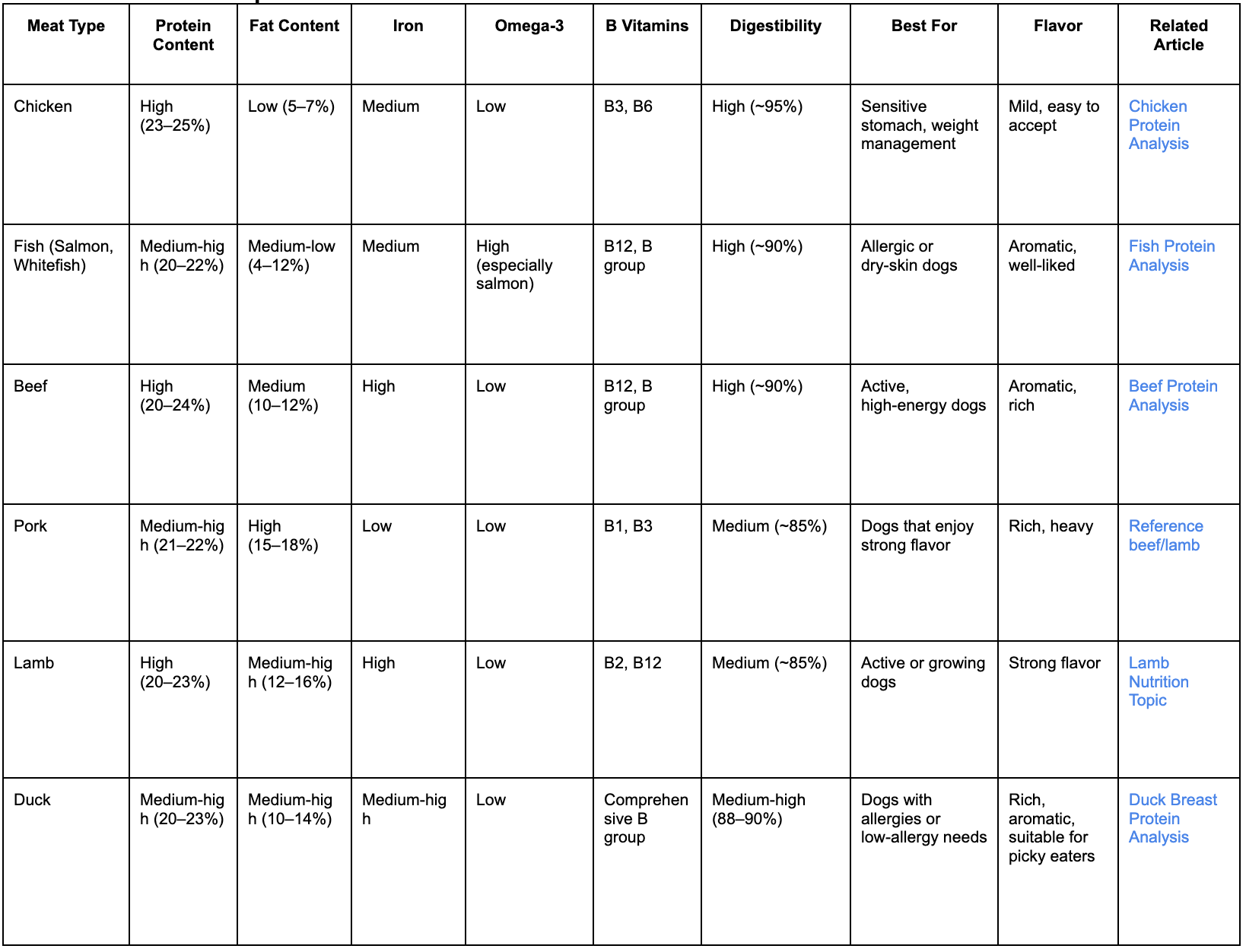
Meat Nutritional Comparison Table
4 Steps to Ensure Safe and Nutritious Meat Feeding
1. Confirm Your Dog’s Health Status
Dogs with kidney or pancreatic conditions should avoid high-fat meats. Consult a veterinary nutritionist for personalized advice.
2. Remove Excess Fat and Bones
High-fat or sharp bones may cause digestive upset or gastrointestinal injury.
3. Fully Cook the Meat and Avoid Seasoning
Never add salt, oil, or sauces to prevent excessive sodium intake or allergic reactions.
4. Cut Meat into Bite-Sized Portions
Adjust size according to your dog’s body size and dental condition to prevent choking.
Short on Time? Petsona Has You Covered!
Petsona uses low-temperature dehydration to turn fresh meat and nutrient-rich vegetables into powder-form fresh food, retaining up to 90% of nutrients. Certified by US AAFCO and EU FEDIAF, our food is convenient, safe, and delicious, perfect for busy Hong Kong pet owners.

Conclusion: Choosing the Right Meat for a Healthy Dog
Different meats offer distinct nutritional benefits. Chicken and fish are suitable for sensitive stomachs, while beef and lamb provide energy and iron. Choosing meats from verified sources and professionally processed ensures safety. Petsona offers science-backed, personalized nutrition for Hong Kong dogs, turning every meal into a healthy, happy experience.
FAQ
Q1: Can dogs eat meat every day?
Yes, but ensure a variety of meat types to avoid nutrient imbalances. Combine with balanced carbohydrates, fiber, and probiotics to support digestion and nutrient absorption.
Q2: Can I feed my dog processed meat (e.g., meat floss, sausages)?
Not recommended. Processed meats contain high sodium, preservatives, and additives, which can stress the kidneys and cardiovascular system. Choose natural, , additive-free fresh food for optimal health.


