

Help your dog feel fuller with this vet-approved guide explaining why kibble-fed dogs often appear constantly hungry and how moisture, fibre, food volume, and digestibility impact satiety. Learn why many dogs in Hong Kong beg for food even after meals and discover healthier alternatives to keep them satisfied. This SEO-optimised article covers pet food, dog diet, wet food ratios, Hong Kong pet food regulations, and wet dog food recommendations. Featuring Petsona, Hong Kong’s first personalised dehydrated dog food using advanced dehydration technology to retain up to 90% nutrients, AAFCO and FEDIAF certified for daily feeding.
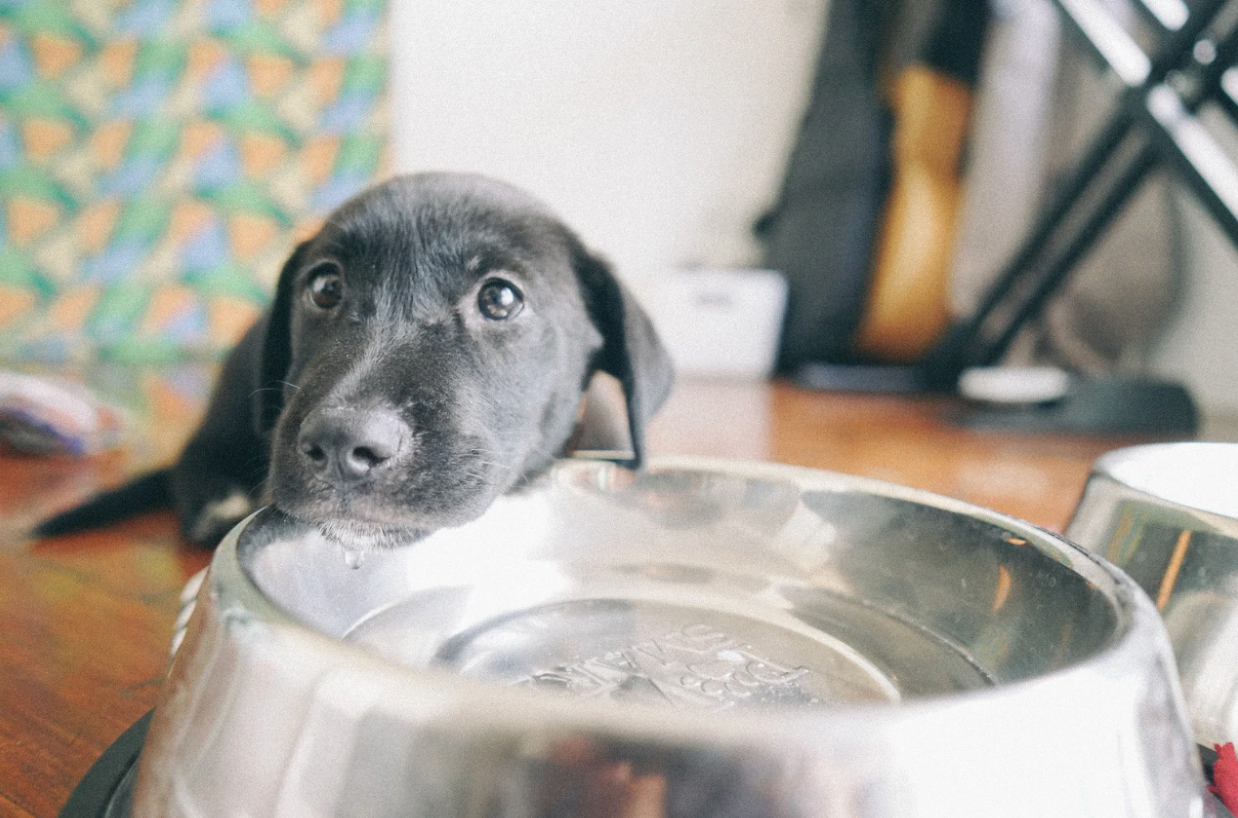
Many Hong Kong dog parents have the same daily struggle: your dog finishes their kibble, looks up at you… and immediately asks for more. But are they really hungry, or is something else happening?
The truth is that kibble provides calories, but doesn’t always create real satiety. As Hong Kong’s newest innovator in personalised dog nutrition, Petsona helps pet parents understand why certain dogs feel constantly hungry, how diet composition affects fullness, and what you can do to keep your dog satisfied in a healthy, science-backed way.
Hong Kong’s fast pace means your dog’s diet needs to be efficient, digestible, and fulfilling, not just calorie-dense. This is where modern nutrition, hydration, fibre, and personalised meals make all the difference.
Why Kibble Doesn’t Always Make Dogs Feel Full
Dogs may beg for food for many reasons: habit, boredom, learned behaviour, or true physiological hunger. Understanding the science behind satiety helps you support your dog better without overfeeding. Kibble Contains Less Than 10% Moisture. Most commercial kibble is extremely dry. Without sufficient moisture, it doesn’t expand in the stomach, meaning:
- The stomach walls don’t stretch enough
- The brain doesn’t receive a “full” signal
- Your dog feels ready to eat again shortly after
Fresh food, gently cooked meals, canned food, or dehydrated meals mixed with water create far more volume in the stomach, which supports natural satiety.
Low Fibre = Faster Digestion and Lower Satiety
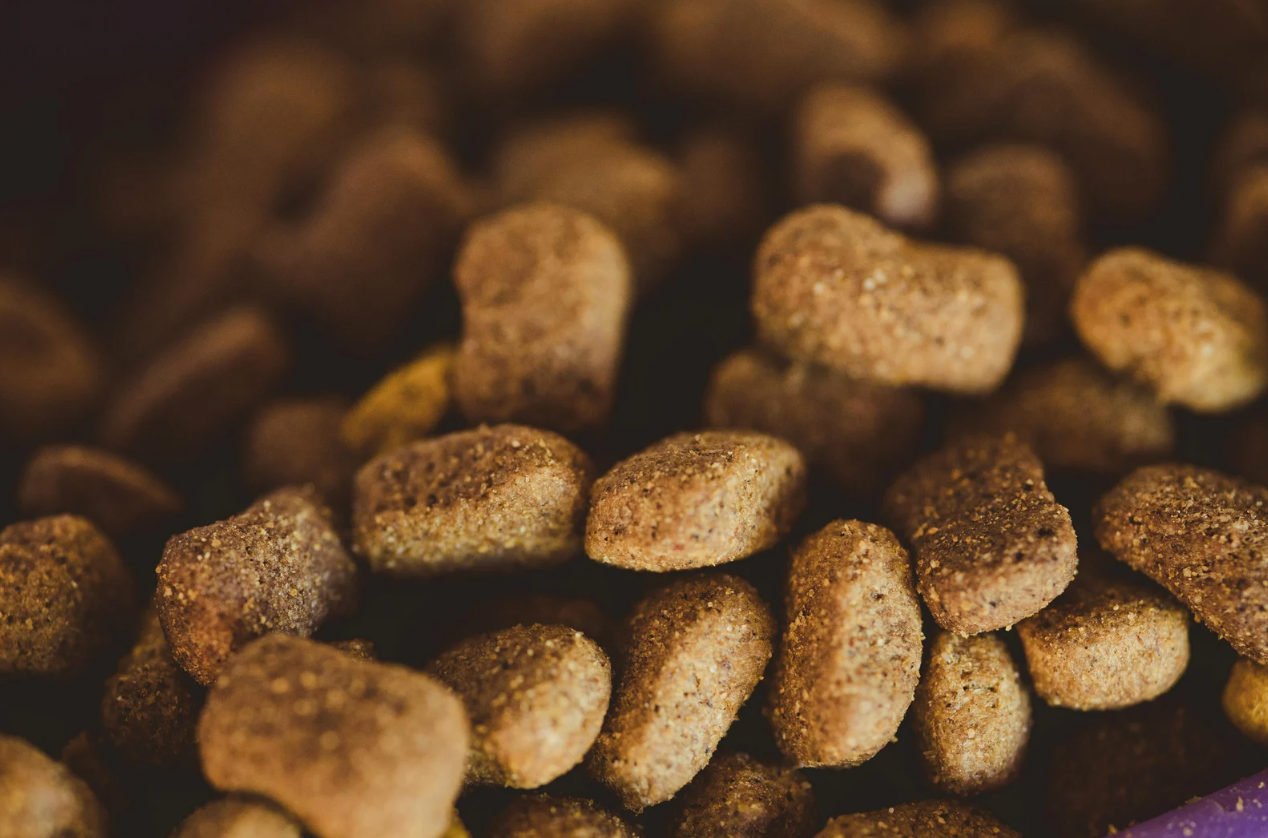
Many kibble formulas rely heavily on refined starches and fillers that lack natural fibre. But fibre is the key to long-lasting fullness.
Your dog should try these High-quality fibre stated below:
- absorbs water
- swells in the stomach
- slows digestion
- stabilises blood sugar
- keeps dogs satisfied for a longer period
Without sufficient fibre, your dog may burn through their meal too quickly and appear hungry again soon after.
Kibble Is Calorie-Dense but Not Volume-Dense
Kibble packs a large amount of calories into very small portions. So even when energy needs are met, the stomach is still relatively empty.
Theres a common myth between the pet parents feeding process, this might creates a mismatch:
- your dog’s body says: “You’ve eaten enough calories.”
- your dog’s brain says: “My stomach isn’t full, I’m still hungry.”
This is why kibble-fed dogs often show begging behaviours, pacing, bowl-checking, or early-morning wake-ups.
Some Dogs Are Naturally More Food-Motivated
Certain breeds like Beagles, Labradors, Corgis, Poodles, and Pugs, have strong food motivation and quicker digestive transit times. Plus there a specific pattern of Hong Kong’s humid climate and smaller living spaces, and behavioural hunger becomes even more common.
However, constant hunger can also signal:
- low fibre intake
- insufficient food volume
- poor digestibility
- nutrient imbalance
This is why personalised nutrition matters, every dog has unique needs.
Vet-Approved Signs Your Dog Isn’t Truly Hungry (But Wants to Eat)
Dogs eat for many reasons other than hunger. According to veterinary nutrition experts, common non-hunger cues include:
- seeking attention
- boredom or habit
- associating humans with treats
- early feed schedules that trigger anticipatory hunger
- behavioural reinforcement (“If I beg, I get snacks!”)
If your dog maintains a healthy body condition score but acts hungry, it’s often behavioural, not physiological.
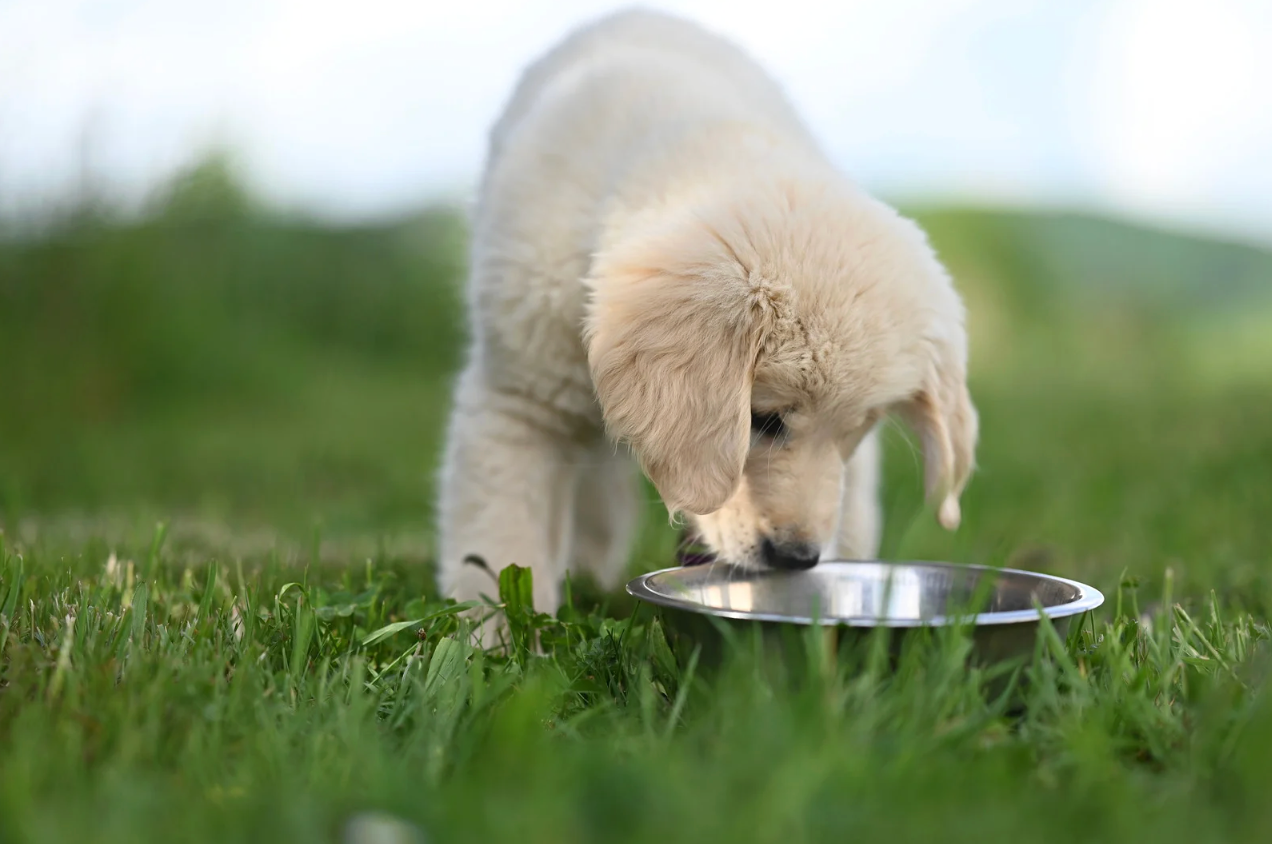
How to Help Your Dog Feel Fuller: Based on Veterinary Nutrition Science
Hong Kong pet parents want practical solutions and these evidence-based adjustments can help your dog feel satisfied without overeating.
1. Add Moisture to Increase Food Volume
Moisture expands the food inside the stomach, stretching the stomach walls and triggering satiety signals.
Options include:
- adding warm water to meals
- incorporating gently cooked fresh food
- using hydrated dehydrated meals
- choosing canned or semi-moist formulas
Dogs in Hong Kong’s humid climate also benefit from better hydration, especially those prone to kidney or urinary concerns.
2. Switch to a High-Fibre Diet
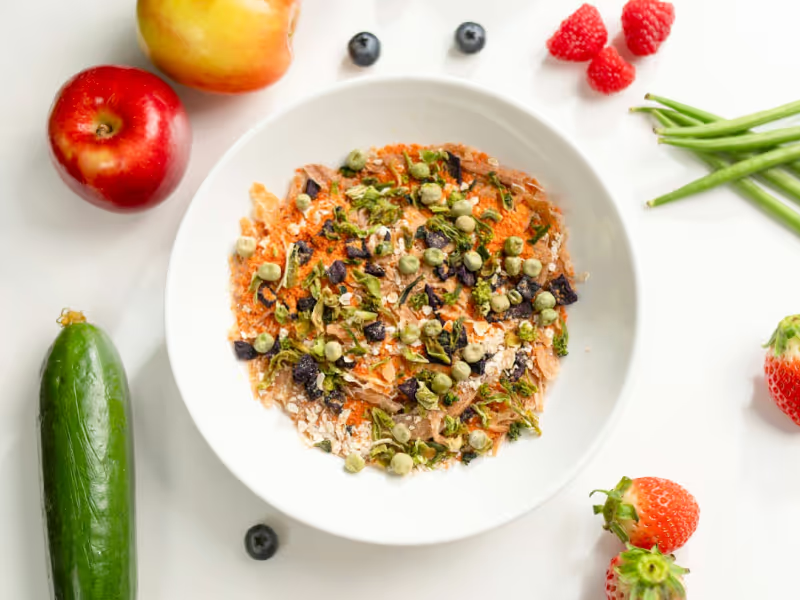
High-fibre nutrition is the most reliable way to prolong fullness. If you need your dog to feel fuller after your daily feeding, you may include these natural sources within their meal:
- pumpkin
- green beans
- carrots
- broccoli
- sweet potato
- oats
- psyllium husk (vet-guided)
Unlike fillers, natural fibre stays in the digestive system longer, providing non-caloric fullness and supporting gut health.
3. Offer Low-Calorie, High-Volume Snacks (Instead of More Kibble)
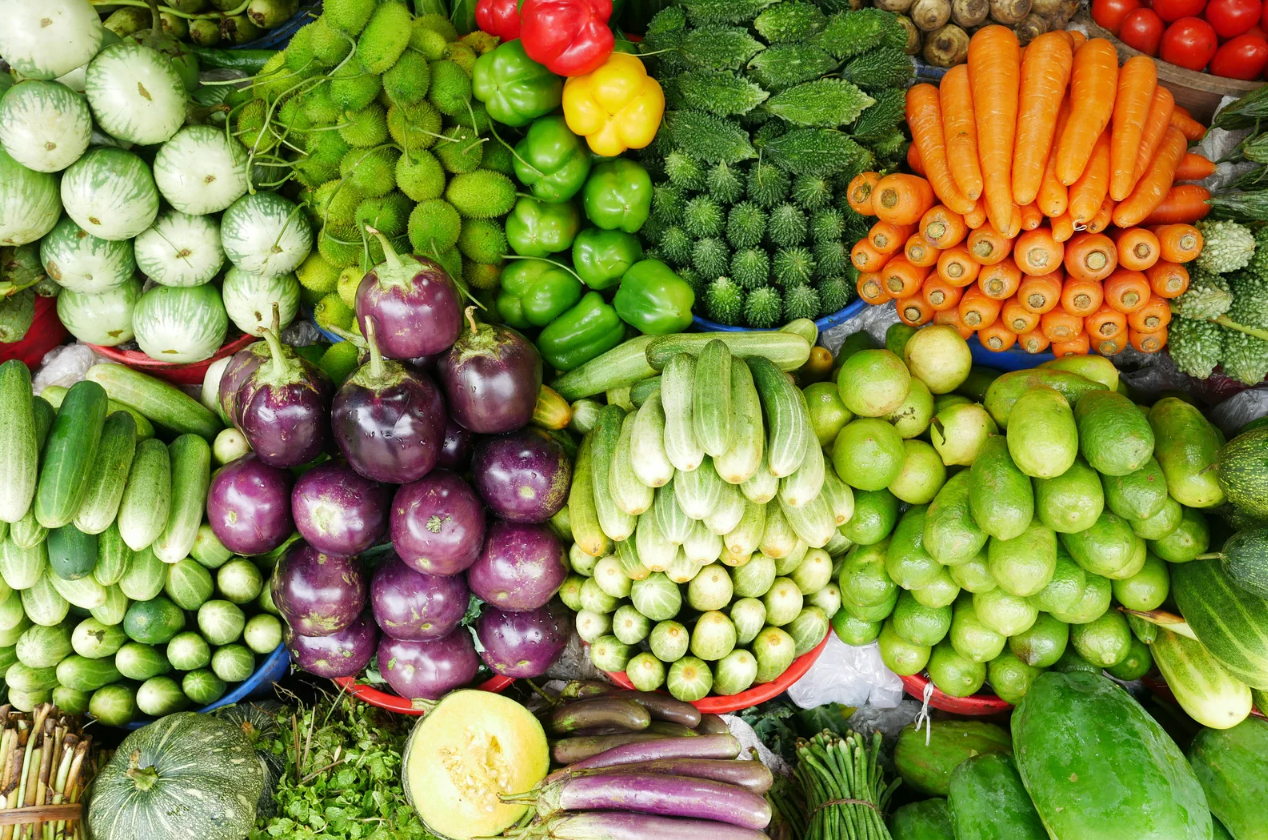
Vegetables are excellent for satiety and digestive health. Therefore, best if pet parents are able to offer low-caloreies, high-volume snacks for their beloved fur kids.
Good options include:
- cucumber
- celery
- carrots
- raw green beans
They add chewing satisfaction and volume without unnecessary calories, perfect for Hong Kong’s small-apartment dogs who tend to gain weight quickly.
4. Improve Digestibility to Reduce Constant Hunger
Poorly digestible kibble passes quickly through the gut, it often affect the health of your own pet:
- nutrient absorption issues
- faster hunger return
- stomach discomfort
Easily digestible food helps maintain stable satiety, better stool quality, and more balanced energy.
The Petsona Solution: How Personalised Dehydrated Meals Keep Dogs Fuller
Petsona is Hong Kong’s newest innovator in personalised pet nutrition.
We don’t just feed dogs, we fuel healthier, longer lives through science-backed dietary solutions.
Our fresh-to-powder dehydration technology:
- retains up to 90% of whole-food nutritional value
- increases moisture when rehydrated
- provides natural fibre from real ingredients
- is certified by US AAFCO & EU FEDIAF standards
- is easy to digest for all breeds and ages
- creates more food volume, helping dogs stay full longer
From picky Poodles to energetic Corgis and senior Golden Retrievers, every dog receives a meal tailored to their digestion, metabolism, and lifestyle.

When Your Dog’s Hunger Could Indicate a Medical Issue
If your dog is constantly hungry even with a high-fibre, moisture-rich diet, consult your veterinarian.
Possible conditions include:
- diabetes
- thyroid issues
- parasites
- gastrointestinal malabsorption
- Cushing’s disease
Early assessment helps ensure your dog’s food behaviours are healthy and stable.
Conclusion: Fulfilment Comes From Smart Nutrition, Not More Food
Dogs aren’t meant to feel hungry all the time. When meals have:
- sufficient moisture
- natural fibre
- proper food volume
- balanced nutrition
- personalised formulation
your dog becomes calmer, happier, and more satisfied after every meal.
Petsona is proud to lead Hong Kong into a new era of personalised dog nutrition, one where every dog enjoys meals tailored to their unique needs.
If your dog is always hungry, it may be time to upgrade their nutrition.
FAQs
Q1: Why does my dog still act hungry after eating kibbles?
Kibble is dry, low in moisture, and low in natural fiber, so it often fails to trigger stomach fullness despite providing calories. Dogs may meet energy needs without feeling satiated.
Q2: Can fiber help dogs feel fuller?
Yes. Indigestible fiber swells in the stomach, slows digestion, and promotes satiety without adding calories. Vegetables and high-fiber formulas help achieve this effect.
Q3: Is Petsona food suitable for picky eaters?
Absolutely. Petsona’s personalized dehydrated meals are formulated to be palatable, balanced, and easy to digest, even for picky or sensitive dogs.
Q4: Can these meals be used for cats as well?
Petsona is exploring personalized cat nutrition. Future offerings will provide high-moisture, fiber-rich, and nutritionally complete meals suitable for feline health and satiety.
Q5: How is Petsona different from regular kibble?
Petsona uses advanced dehydration technology to retain up to 90% of nutrients, creating balanced meals with high moisture and fiber content. Unlike kibble, this approach keeps pets fuller, healthier, and happier after each meal.


